Does Red Meat Cause Weight Gain? Find Out Now.
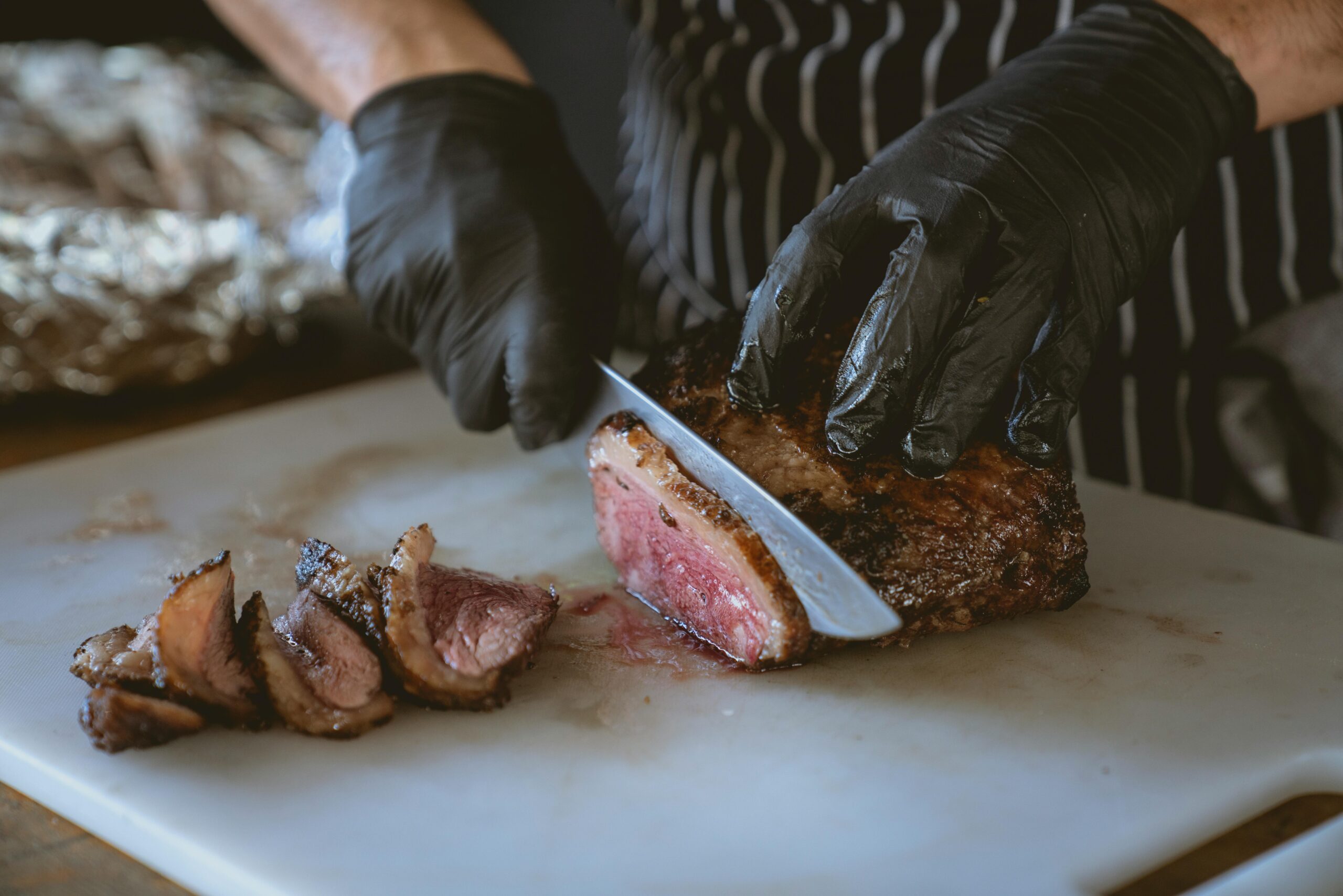
If you ask ten people what food you should cut first to lose weight, there is a very high chance that at least half of them will say “Red Meat.” This probability is not by chance. Instead, it is a result of decades of conditioning. For years, red meat has been labeled the ultimate barrier to weight loss, and we have been told that if you eat beef, you are essentially adding to your body fat. But have you ever noticed how some people thrive on carnivore-style diets while others swear that a single burger ruined their progress? Does red meat cause weight gain?
Is it the meat itself that’s the problem, or have we been blaming it for no reason at all? In this guide, we will cut through the fat to find out if red meat is actually “making you heavy” or if it’s just guilty by association.
If you would like to jump right into the video I did on this, you can use the link below.
Does Red Meat Cause Weight Gain?
People often treat a steak like it’s a caloric landmine. But as someone who helps women find sustainable ways to eat through my Better in 90 program, I’ve seen that the fear of red meat often does more harm than good by making diets boring and unsustainable. And note that I say this as someone who is mainly plant-based but was an avid meat-eater for years, even after I lost weight.
That said, let’s look at why people think red meat causes weight gain and what the scale actually cares about.
Why Do People Think that Red Meat Causes Weight Gain?
Weight loss myths do not come from nowhere. And in the case of red meat, there are a few interesting explanations behind its fear.
The Association Trap.
Why does red meat have such a bad reputation? Well, it’s mostly because of the “Burger and Fries” effect. When researchers look at large populations, people who eat a lot of red meat often have higher body weights.
But here’s the catch.
In those studies, people who eat a lot of red meat are also more likely to:
- Drink more soda.
- Eat more highly processed foods like buns and fries.
- Exercise less, and
- Smoke more.
This is called a confounding variable, such that people focus more on one part of the picture rather than the whole picture and its nuances.
Putting this in an example, if you’re eating a steak with a pile of deep-fried potatoes and a 32-ounce cola, then the steak isn’t the reason the scale is moving up.
So, does red meat cause weight gain in these instances? No. If we were to blame it, then we would have blamed the protein for the company it keeps.
The Fat Angle.
For many years, people have feared fatty foods because there is the idea that eating foods that are high in fat can cause weight gain. In the same line, it comes as no surprise that there’s a common belief that red meat is ‘too high in fat’ to be part of a weight loss journey. But does red meat cause weight gain?
Let’s look at the math.
A 4-ounce serving of lean meat comes to about 180 calories. How about a 4-ounce serving of salmon? It’s about 230 calories. So, is fish higher in calories? Yes!
The truth is that red meat is very nutrient-dense and tends to be lower in calories compared to the so-called healthier meats. But that is not all. It is also packed with nutrients such as B12, Zinc, and Iron, which actually support your metabolism.
So, does red meat cause weight gain? Not really. You see, the weight gain people experience from eating meat isn’t coming from the “redness” of the meat. Instead, it’s coming from the total caloric intake of the meal. That means that if you choose a fatty ribeye every night, then, yes, the calories add up quickly, and this can cause weight gain.
But the notion that red meat causes weight gain is just not true.
The Verdict?
Does red meat cause weight gain? No, but excess calories do. So, if you enjoy a good steak, you don’t have to trade it for dry chicken breasts to see results. You just need to be strategic about the cut and what else is on your plate. But how do you do this? Well, this is where we get to my favorite segment of each guide – the solution?
Does Red Meat Cause Weight Gain? The “Better in 90” Strategy.
Red meat is extremely satiating because it takes longer to digest. So, it can actually help you lose weight by keeping you full for hours and preventing cravings. In my program, Better in 90, which is designed to help women lose weight and keep it off, we don’t ban foods. Instead, we manage the variables.
Here is how you keep red meat in your life without stalling your progress:
First: Use The “Lean” Lens.
The difference between a “fatty” cut and a “lean” cut can be over 200 calories. As such, opt for lean cuts or lean ground beef. This way, you get the iron and the flavor without the extra calories.
Secondly: Watch the Condiments.
It’s rarely the steak that’s causing the weight gain. Usually, it is the butter it was cooked in, the creamy peppercorn sauce you added, or the loaded baked potato on the side. These small additions may not seem like much, but they increase your calorie intake.
Become Better in 90, With or Without the Red Meat.
Can you lose weight while eating red meat? Absolutely. In fact, for many of my clients, the extra iron and zinc help them feel more energized in the gym. So, instead of fearing the meat, you should start focusing on the balance.
If you would like one-on-one guidance on how to go about this, I invite you to check out my Better in 90 Program to learn more about how I can help you on this journey.
