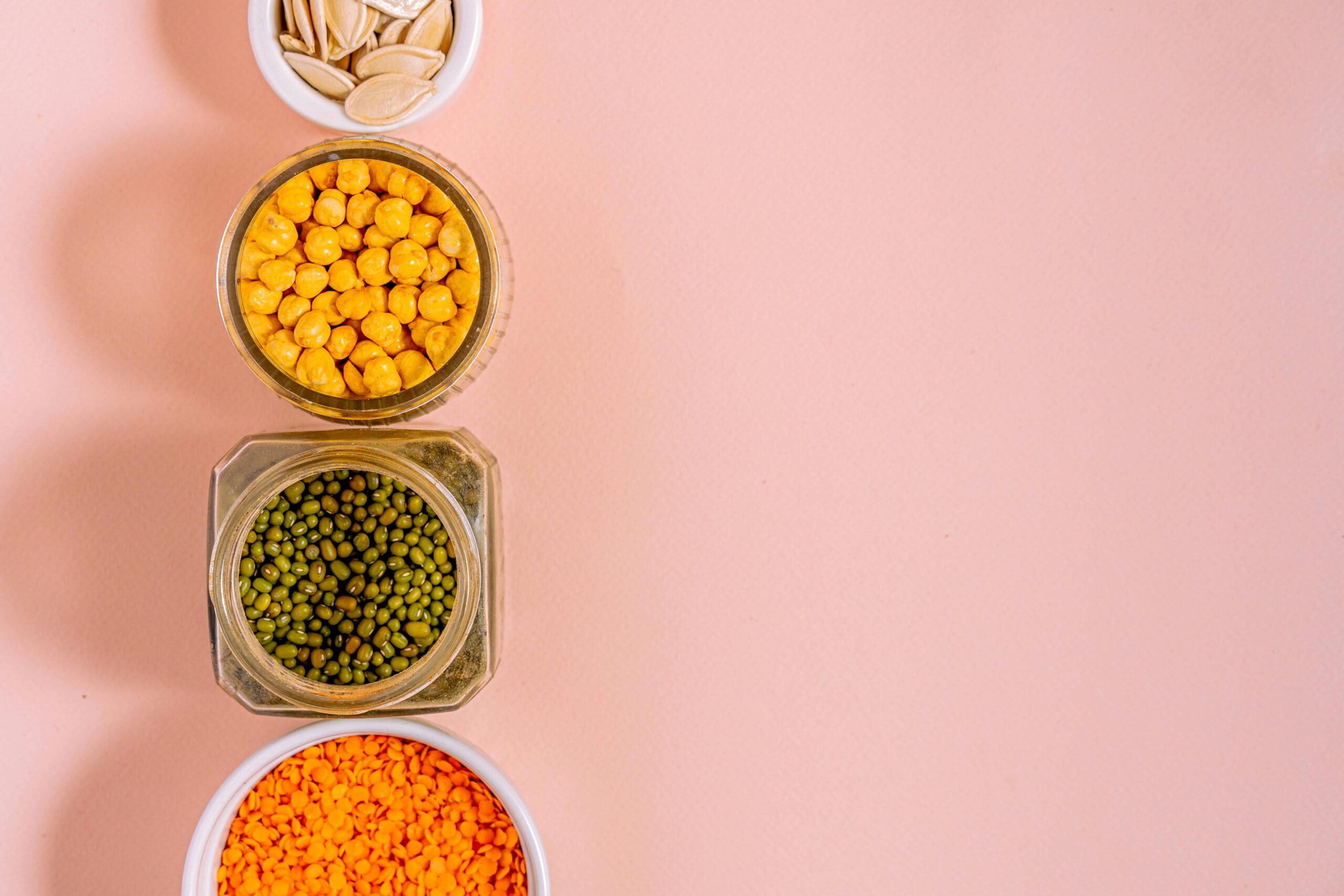
Animal or Plant Protein for Weight Loss? Which Is Better?
As someone who follows a plant-based diet, I can attest to the fact that if you tell someone that you are trying to lose weight and build muscle while eating plant-based foods, most of them will ask you, “But where will you get your protein?” And others will tell you that you are making it twice as hard on yourself. These scenarios are not odd, given that people think that eating plant protein for weight loss is less effective than animal protein.
For some reason, people have come to think of plant protein as second-class, incomplete, harder to absorb, or just plain less effective at burning fat and keeping muscle, when compared to animal proteins such as a piece of chicken or beef. As a result, we have been conditioned to believe that to get real results, we need animal protein.
But is there actually a penalty for eating plant protein for weight loss, or have we been overcomplicating our plates for years? This article delves into this in detail.
If you would like to jump straight to the video I did on this topic, you can use the link below.
Plant Protein for Weight Loss – The ‘Incomplete’ Misconception.
If you look at the fitness and weight loss circles, and take a good look at what they eat on a daily basis, it does not take long to realize that most of them are pro-animal protein and are not really into plant protein for weight loss. And this usually comes down to the ‘Incomplete Protein’ argument.
You have probably heard that plants lack certain amino acids, which are the building blocks of muscle, and that is why many people think that eating plant proteins is a disservice to their weight loss goals.
But here is the reality based on current research findings: While some plants have lower levels of specific amino acids, your body does not calculate these amino acids per meal or per day. Instead, it is all about the long game. So, as long as you eat a variety of plants, while including options such as beans, grains, nuts, and seeds, your body pools those amino acids together.
And, according to studies, as long as you are getting enough TOTAL protein, then it does not matter where you are getting it. You still get to enjoy fat loss and more.
If you would like to learn more about plant protein for weight loss, here are some articles you can refer to: Source 1, Source 2, Source 3, and Source 4.
The Fiber Advantage in Plant Protein for Weight Loss.
Now, let’s talk about something that plagues people who often follow animal-based diets, and that is the lack of fiber. And no, I am not talking about their high risk of constipation. Rather, I am talking about how this lack of fiber affects their weight loss journeys.

When people compare a chicken breast to a bowl of black beans, they usually only look at the grams of protein and calories. But they miss a key pillar of weight loss, which is Fiber.
The thing is that animal protein has zero fiber. Plant protein, however, comes packaged with complex carbs and fiber.
But why does this matter?
First, there is the Satiety Factor. Fiber slows down digestion and keeps you full for much longer than protein alone. Secondly, we have the Caloric Density. Because plant proteins are often high in volume but lower in calorie density, you can eat a larger portion for fewer calories.
So, if you’re struggling with hunger on your weight loss journey, eating plant protein for weight loss might actually make your deficit easier to maintain than an all-meat or mostly meat diet.
Why We Cannot Ignore the Calories.
Just like I said in my blog about red meat and my article about high-protein diets, at the end of the day, the scale cares about your energy balance.
And that means whether you are eating eggs and red meat, or having lentils and black beans, your weight loss will come down to whether you are in a calorie deficit. It really is that simple.
Animal Vs Plant Protein for Weight Loss.
Given the context we have covered, we can conclude that plant protein is not less effective for weight loss. In fact, in many cases, the added fiber can actually make weight loss more sustainable.
How to Rely on Plant Protein for Weight Loss.
Given that plant proteins have a lot to add to a weight loss journey, knowing how to incorporate them into your diet is important. Here, I will use three strategies that I use in my program, Better in 90, where the goal is to focus on being strategic with your meal choices and not restrictive.
So, here is how you can do it while avoiding the bloat.
1 – Don’t Fear the Carbs:
Most plant proteins, including the favorites like beans, lentils, and quinoa, are high in carbs. But just like I said in a previous video, carbs are not bad for you, even on a weight loss journey. If anything, they give you the fuel to get through workouts and other parts of your day. Of course, the type of carb matters, and it is best to focus on complex carbs.
So, as you add more plants to your diet, do not let the fact that they have carbs get in the way, and instead, use this as an opportunity to explore complex carbs.
2 – Pair your plant proteins:
Much of the fear around plant proteins lies in their amino acid profiles, such that very few plants are considered complete proteins. To ensure you are getting a full amino acid profile and staying full, you need to do some pairing.
For example, you can pair your legumes with a whole grain or some healthy fats. And this can look like black beans with rice and a little avocado, or lentils with a small portion of brown rice dressed with tahini.
3 – Avoid the ‘Vegan Junk Food’ Trap:
Just because a food is plant-based or vegan does not mean it is low in calories. I have seen many people think that eating plants automatically results in weight loss because they have seen vegans and plant-based people who are lean.
But this is not always the case.
In fact, when it comes to vegan foods, many highly processed meat alternatives have just as many calories as the real thing. It is better to stick to whole foods as much as possible and ensure you remain in a calorie deficit.
Join Better in 90
Can you lose weight and look toned on a plant-based diet? Based on studies over the years, the answer is yes. When it comes to protein, it’s not about the source; it’s about your total intake and the sustainability of your choices.
To learn more about how you can integrate more plants into your diet without missing out on protein, I invite you to check out my Better in 90 Program, which was designed to help women lose weight and keep it off.
