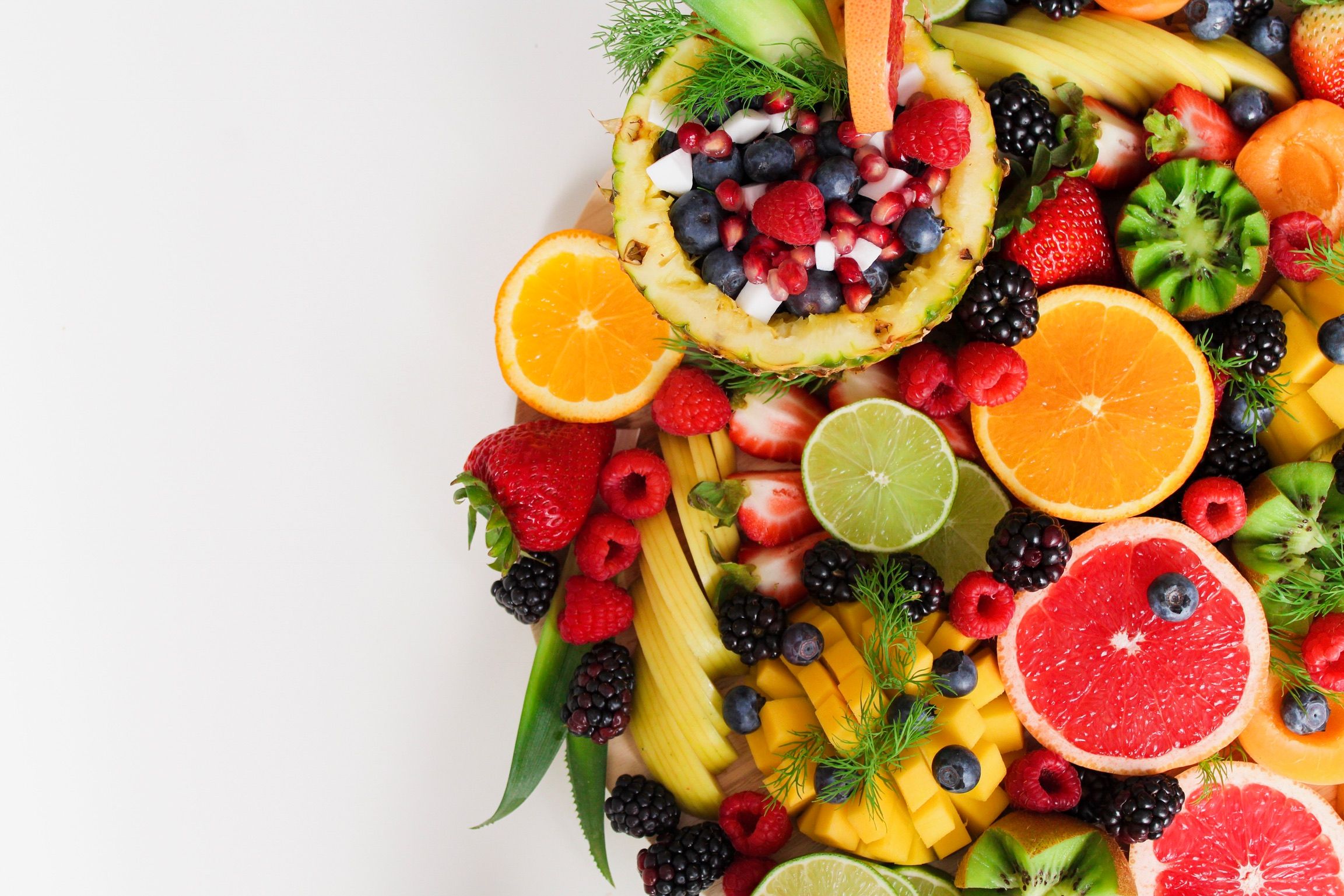
No Fruits for Weight Loss? Juicy Secrets You Should Know.
Have you ever heard someone say something along the lines of “I would love a piece of fruit, but I am watching my sugar?” Maybe they even said this while holding a latte that was full of syrup. Or maybe you have heard someone say that they are no longer eating bananas because they are too sugary and will affect their fat loss. What about the notion that some fruits are better for weight loss than others? Well, I have! In the world of fruits for weight loss, I have come across so many sentiments that I could write an article about each one and would likely have content for a whole year.
The truth is that very many women out there will easily pass on sugary fruits like bananas and pears in favor of less sugary fruits like watermelons because they believe the sugary ones will cause weight gain. And this is not surprising. You see, somewhere along the line, some people decided that fruit was not ideal for anyone on a weight loss journey.
As such, if you look up advice on fruits for weight loss, you will come across various ideologies. You will have people telling you that a bowl of cherries is basically a bowl of Skittles or that the sugar in a pineapple will stop your weight loss journey or even that if you want a flat stomach, the fruit bowl is off-limits.
This guide explores whether these notions on fruits for weight loss are accurate by delving into the research on this. If you would be interesting in watching the video that I made on this topic, you can use the link below:
Why People Fear Eating Fruits for Weight Loss.
As you may already know, fruits contains natural sugars like fructose, which is why they taste so good. But since diet culture has a thing against sugar in all forms, this means that fruit is not safe from attacks. As a result, many people online state that fruit consumption should be off-limits for anyone who wants to lose weight.
Sometimes the messaging regarding fruit for weight loss is subtle, like with low-carb diets like keto, where the writing is on the wall that sugar is forbidden. And at others, you have fitness and weight loss coaches explicitly asking their clients to lay off the fruits for weight loss.
Interestingly, this fear is not just in diet culture. How often have you seen a woman sharing that once she cut out bananas or grapes, her weight just fell off? Such stories tend to be very convincing because people love banking on other people’s weight loss transformations so that they can know what is possible for them.
To make matters worse, the messaging around blood sugar fluctuations has caused people to fear anything that causes a temporary spike, especially since many people online will happily show off how a sugary food resulted in a spike in their blood sugar levels. So, because fruit tastes sweet and contains sugar, many women are quick to shun it because they think it will have the same effect on their blood sugar levels, especially when they consider the glycemic index of most fruits.
Is Eating Fruit For Weight Loss a Bad Idea?
There is no denying that there is a lot of fear regarding sugar intake to the point that many people have decided to avoid sugar at all costs, including in fruits. After all, according to them, sugar is sugar regardless of its source.
But that is not quite true. You see, the refined sugar found in chocolate and sweets is often considered empty calories since it comes stripped of vital nutrients. However, fruits boast of more than sugar and they also provide the following:
Fiber
Water
Vitamins
Minerals
Antioxidants
As such, we can say that fruits indeed do contain sugar in the form of fructose. But they also have fiber. And since fiber slows down the digestion and absorption of that sugar, stabilizes your blood sugar levels, and helps you feel full for longer, then using fruits for weight loss is actually a good idea.
In fact, various studies show that people who consume a high fruit intake often have healthy body weights and are able to manage their weight quite well compared to people who do not.


What about the Calories?
When it comes down to it, weight loss comes down to being in a calorie deficit which is only possible if you consume fewer calories than your body needs. And the truth is that one of the secrets to remaining in a calorie deficit lies in finding ways to feel full on fewer calories. So, why does this matter in the context of fruits for weight loss?
Well, most fruits are actually very low in calories. Take apples and oranges for example. These fruits average 60 to 80 calories for a medium piece of fruit unlike sweets, which are often worth hundreds of calories for the same size. And the difference here lies in the structure of these foods. How?
Fruit is mostly water and fiber but sweets are mostly just sugar and fillers. That means that with fruits, you are able to eat a huge volume of food with minimal calorie intake and will also enjoy high satiety levels for longer. For example, if you were to compare 100 calories of biscuits to 100 calories of strawberries, the difference in volume and satiety would be quite impressive.
Besides, the natural sugar found in fruits is so wholesome that many people find that fructose is key in helping them avoid the cravings for highly processed snacks. Of course, this adjustment to natural sugars takes time but once it kicks in, you cannot help but enjoy fruits more.
Let’s Talk About Fructose and Weight Gain.
If you go online and look up best and worst fruits for weight loss, you will find that there is a lot of talk about how the liver processes fructose and how that leads to fat storage. But like with most things, context is everything.
Studies conducted in this regard find that fructose can lead to weight gain in cases where people consume isolated, high-fructose corn syrup in massive amounts. Usually, you find that this is the case in people who already consume calories in a surplus and are therefore bound to gain weight.
There is almost no evidence that eating whole fruit in the context of a balanced diet causes weight gain. However, I should reiterate that consuming fruits in excess, like with any other food, can result in a calorie surplus, which will cause weight gain.
But thanks to their high fiber and water content, it is very hard to do that with fruits! We have examples like Freelee the Banana Girl as proof of this.
How to Eat Fruits for Weight Loss.
As we have seen, much of the fear around eating fruits for weight loss exists because of the lack of context. And that is why in my Better in 90 program, the goal is not to cause more fear but rather debunk the myths that surround certain foods, and which encourage people to eliminate foods that are otherwise good for you.
And when it comes to fruits, we cannot deny that fruit has more to offer than the perks of satisfying our sweet tooth without a high calorie intake. Fruits are full of micronutrients that go a long way in optimizing our health. These and other reasons form the foundation on which scientists advise adults to have about 1.5 to 2 cups of fruit a day.
But how can you stick to these recommendations without going over your maintenance calories and creeping into the surplus category?
Eat Whole Fruits.
In our world of convenience, people have gotten accustomed to juicing fruits or buying fruit juices. But here is the thing. Juicing removes the fiber and makes it much easier to consume too many calories too quickly. So, whenever possible, eat the whole fruit instead of drinking the juice.
Pair Your Fruits.
Fruits may have natural sugar but that does not mean that they will not spike your blood sugar, especially when enjoyed alone. If you worried about blood sugar or staying full longer, it is advisable to pair your fruit with a protein or a healthy fat as this will increase your satiety levels and slow down the digestion of the fruit.
Examples include having an apple with some almonds or using berries in your yogurt. You still get the satisfying sweetness of the fruit but delay the digestion considerably.
Use Fruits as Sweet Treats.
What do you like having whenever you want something sweet? Is it chocolate? How about ice cream? Like I said, our taste buds can adjust to the natural sugar in fruits so much that we can start craving fruits more instead of highly processed sweets. But this takes time and it is a process that requires us to make gradual swaps.
The next time you are craving a dessert after dinner, how about you reach for some frozen grapes or a sliced peach? You will get to satisfy your cravings and get some nutrients in.
While I am not saying that you can never have sweet highly processed foods again, I would recommend making fruits your go-to most of the time and leaving some room for the highly processed options.
Get Better in 90 – Learn to Eat Fruits for Weight Loss.
Regardless of what you may have heard or seen online, fruit is not the reason the scale is not moving. In fact, it might be the very thing that helps you stay consistent enough to finally see results. At the end of the day, cutting out fruit is unnecessary and would likely deprive you of vital nutrients that you need for optimal body functioning.
If you would like to learn more about eating fruits for weight loss alongside other lifestyle changes that you can make to lose weight, I invite you to check out my Better in 90 program. It was designed to help women lose weight and keep it off using sustainable approaches. You can also reach me using the form below:
